Tag: Winning Tips
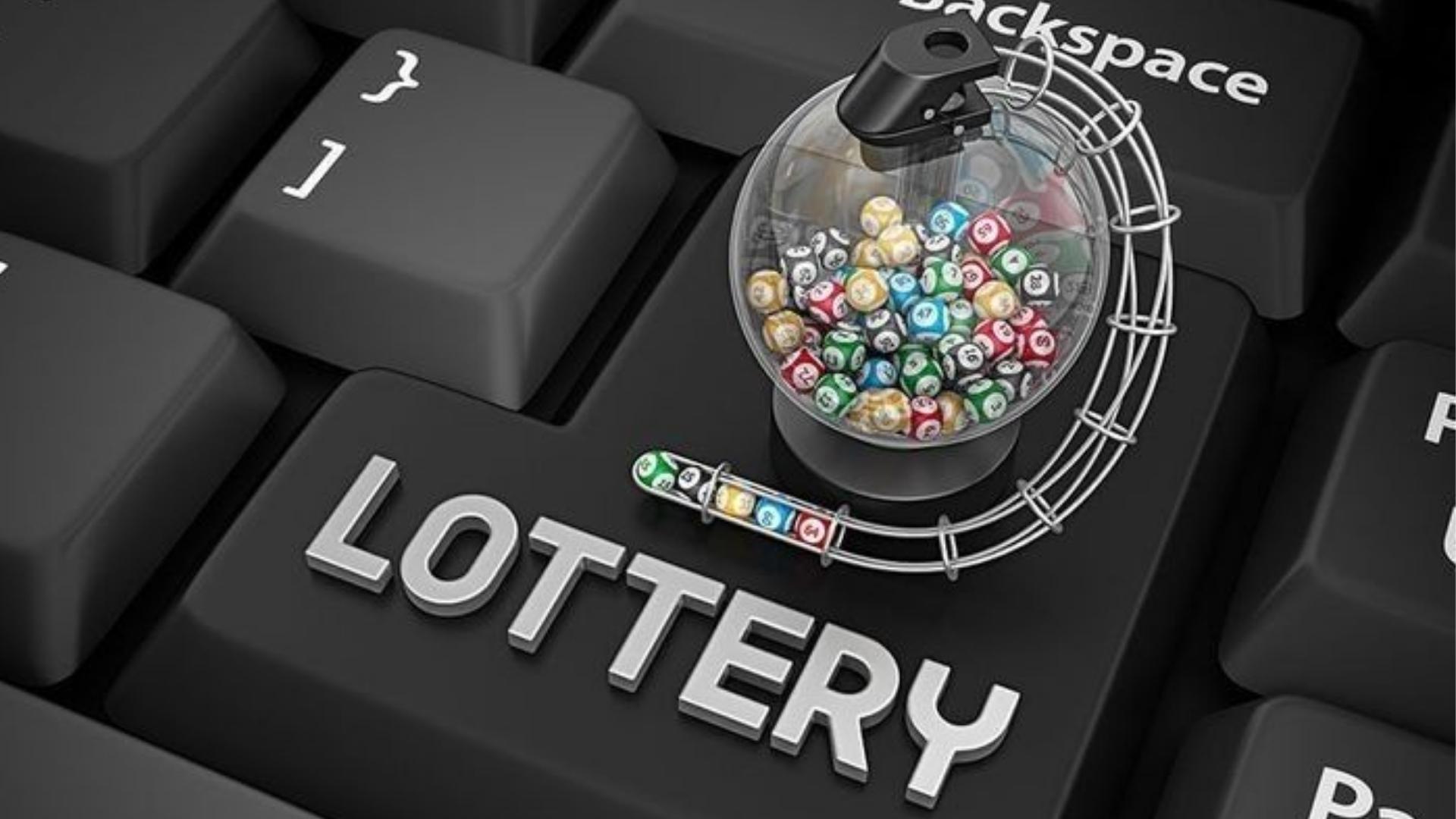
Random Rewards and In-Game Challenges
Modern video game design relies heavily on creating compelling loops that keep players invested over long periods. Two of the most powerful tools in a developer's arsenal are structured in-game challenges and the implementation of unpredictable reward systems. When these mechanics are combined correctly, they transform routine tasks into highly engaging journeys that satisfy both casual and competitive gamers alike.
The Psychology of Unpredictable Loot Drops
Human psychology plays a massive role in how players interact with uncertain outcomes within digital worlds. The anticipation of a potentially rare item triggers a distinct sense of excitement that fixed progression paths rarely replicate. This dynamic encourages players to repeatedly attempt difficult tasks, transforming what could be a tedious grind into an opportunistic adventure.
However, game designers must carefully calibrate these drop rates to ensure the systems remain fun rather than exploitative. If the chances of obtaining meaningful gear are too slim, the player base can quickly become frustrated and experience burnout. Striking a healthy equilibrium between effort and randomized luck is essential for long-term player satisfaction.
Enhancing Difficult In-Game Milestones
Overcoming a complex challenge or defeating a powerful boss provides a strong sense of intrinsic motivation and accomplishment. When developers add an element of chance to the victory loot, it layer-intensifies the emotional payoff for the player base. The community surrounding a game often thrives on sharing these unique moments of unexpected fortunes.
For enthusiasts looking to explore different digital entertainment avenues driven by chance, visiting a reliable platform like M88bet offers insights into how gaming algorithms function. Understanding these foundational mechanics helps participants approach virtual loops with better strategies and realistic expectations.
Designing Balanced Progression Systems
Modern live-service games frequently struggle with balancing predictable milestones against purely luck-based drops. A healthy design strategy usually guarantees a baseline reward for completing an objective, while offering a secondary pool of randomized aesthetic or bonus items. This hybrid methodology ensures that a player's time investment is always respected and rewarded.
Furthermore, structural transparency regarding drop percentages builds trust within the active community. When players know the exact probabilities before committing to an in-game challenge, they can make informed choices about how to spend their time. Ultimately, the future of sustainable game design relies on keeping these mechanics fair, transparent, and entertaining.