Recent Post

Can RTP Change Over Time? ...
In the digital gaming sphere, players often look at statistical metrics to determine the potential returns of their favorite titles. The most common metric used for this evaluation is Return to Player, which represents the theoretical payout percentage over a massive number of rounds. Many enthusiasts wonder whether this percentage remains completely static or if it can fluctuate throughout the lifecycle of a game.
The Core Mechanics of Fixed Percentages
When a software developer designs a modern digital game, the underlying mathematical model is built with specific fixed parameters. These configurations are thoroughly audited and certified by independent testing laboratories to ensure absolute compliance with fair gaming regulations. Once a game is deployed under a specific certification, its core mathematical rules cannot simply alter themselves dynamically during active play.
However, it is crucial to recognize that developers frequently create multiple versions of the same title with different payout settings. Virtual operators can choose which specific version to host on their platforms based on regional regulations and operational strategies. For instance, players visiting a verified platform like M88bet will experience the specific certified version selected by that operator, ensuring transparency and adherence to official game rules.
How Real-Time Variance Simulates Shifts
A major reason why individuals suspect that payout metrics change is the intense influence of statistical variance. Short-term sessions are entirely dictated by Random Number Generators, creating unpredictable streaks of wins or losses. A player might experience an exceptionally low return over a few hundred rounds, creating the false illusion that the game has suddenly become tighter.
In reality, the certified percentage is calculated over an infinite timeline involving millions of individual simulations. Short-term deviations are completely normal and are expected within any random mathematical framework. The theoretical benchmark does not change, but individual experiences will always fluctuate around that statistical average.
Regulatory Oversight and Operator Adjustments
While an operator cannot alter a game's code mid-session, regulatory frameworks in certain jurisdictions do permit intentional adjustments under strict protocols. If an operator wishes to switch to a different approved percentage version provided by the developer, they must follow compliance procedures. This process typically requires taking the title offline temporarily to implement the certified software updates.
Transparency remains a mandatory requirement across licensed jurisdictions worldwide. Any modification to the theoretical performance parameters must be updated in the official help files or information screens of the game. This ensures that participants always have access to accurate data before they decide to allocate their entertainment budget.
Empowering Players Through Verification
Understanding how these metrics function helps players manage their expectations and avoid common mathematical misconceptions. Checking the game rules dynamically before starting a session allows you to verify the exact active version hosted on the platform. This simple habit protects you from outdated information and aligns your strategy with real-time configurations.
Ultimately, while the mathematical design remains constant during your session, structural variations can exist across different platforms. Prioritizing platforms that display certified metrics transparently ensures a much safer and more predictable entertainment experience. Staying informed about these mechanics empowers you to make smarter choices in the evolving landscape of digital gaming.

Digital Innovations in Baccarat Tournament Gaming ...
The traditional game of baccarat has transitioned smoothly into the digital era, capturing the attention of millions of global players. Recent technological advancements have particularly transformed tournament formats, elevating them from static card games into dynamic, highly interactive competitions. As software engineering continues to advance, the landscape of competitive baccarat is witnessing unprecedented structural and feature-driven upgrades.
Real-Time Data Integration and Leaderboards
Modern tournament platforms now utilize cloud computing and high-speed data streams to deliver real-time metrics to all active participants. Players can instantly view shifting chip counts, opponent histories, and round progressions without any mechanical delay. This seamless access to live information empowers competitors to adapt their betting systems on the fly during intense elimination rounds.
Furthermore, automated tracking ensures complete fairness and total transparency throughout the competition. Advanced algorithms calculate tournament rankings instantaneously, removing human error from complex multi-table scoring formats. This level of precision builds strong trust among high-stakes players who require absolute data integrity.
Immersive Live Dealer Technology
High-definition video broadcasting has effectively bridged the historical gap between physical casino floors and digital screens. Players can now participate in synchronized global tournaments hosted by professional dealers in professional studio environments. The integration of multi-camera angles provides a comprehensive view of the gaming table, maintaining the classic elegance of the card game.
Interactive chat functions allow participants to engage with the dealer and fellow competitors in real time. Exploring these modern setups through premium gaming options like M88bet allows enthusiasts to test their strategic approaches in realistic environments. This social element replicates the vibrant camaraderie found in high-end land-based casino lounges.
Enhanced Security Protocols and Fair Play
As online tournament gaming expands, developers are prioritizing cutting-edge cybersecurity measures to protect digital assets and player data. Encrypted networks and multi-factor authentication systems safeguard accounts against external threats during major public events. These strict protective layers allow participants to focus entirely on their tactical choices.
Additionally, decentralized technologies and verifiable random number generators are increasingly deployed to ensure hand randomness. Independent auditing bodies regularly verify tournament software to guarantee that every single deal remains completely unmanipulated. This commitment to player protection reinforces the growing legitimacy of virtual gambling platforms worldwide.
The Next Era of Tournament Formats
Looking ahead, artificial intelligence and predictive modeling are set to further personalize the competitive ecosystem. Future platforms may offer custom tournament structures tailored to specific skill brackets and player paces. These personalized configurations ensure that both casual beginners and seasoned professionals find appropriate challenges.
Virtual reality integration is also on the horizon, promising fully digital 3D tournament arenas. Players will soon sit at virtual tables, reading digital tells and experiencing lifelike environments from their homes. These rapid innovations guarantee that baccarat tournaments will remain highly engaging for generations to come.

Random Rewards and In-Game Challenges ...
Modern video game design relies heavily on creating compelling loops that keep players invested over long periods. Two of the most powerful tools in a developer's arsenal are structured in-game challenges and the implementation of unpredictable reward systems. When these mechanics are combined correctly, they transform routine tasks into highly engaging journeys that satisfy both casual and competitive gamers alike.
The Psychology of Unpredictable Loot Drops
Human psychology plays a massive role in how players interact with uncertain outcomes within digital worlds. The anticipation of a potentially rare item triggers a distinct sense of excitement that fixed progression paths rarely replicate. This dynamic encourages players to repeatedly attempt difficult tasks, transforming what could be a tedious grind into an opportunistic adventure.
However, game designers must carefully calibrate these drop rates to ensure the systems remain fun rather than exploitative. If the chances of obtaining meaningful gear are too slim, the player base can quickly become frustrated and experience burnout. Striking a healthy equilibrium between effort and randomized luck is essential for long-term player satisfaction.
Enhancing Difficult In-Game Milestones
Overcoming a complex challenge or defeating a powerful boss provides a strong sense of intrinsic motivation and accomplishment. When developers add an element of chance to the victory loot, it layer-intensifies the emotional payoff for the player base. The community surrounding a game often thrives on sharing these unique moments of unexpected fortunes.
For enthusiasts looking to explore different digital entertainment avenues driven by chance, visiting a reliable platform like M88bet offers insights into how gaming algorithms function. Understanding these foundational mechanics helps participants approach virtual loops with better strategies and realistic expectations.
Designing Balanced Progression Systems
Modern live-service games frequently struggle with balancing predictable milestones against purely luck-based drops. A healthy design strategy usually guarantees a baseline reward for completing an objective, while offering a secondary pool of randomized aesthetic or bonus items. This hybrid methodology ensures that a player's time investment is always respected and rewarded.
Furthermore, structural transparency regarding drop percentages builds trust within the active community. When players know the exact probabilities before committing to an in-game challenge, they can make informed choices about how to spend their time. Ultimately, the future of sustainable game design relies on keeping these mechanics fair, transparent, and entertaining.

RNG Technology in Competitive Gaming ...
The integration of Random Number Generator technology within the modern esports landscape remains a topic of intense debate among professional players and software designers. While competitive gaming inherently relies on individual skill, strategic foresight, and rapid reflexes, algorithmic chance frequently introduces vital elements of unpredictability. Understanding how these back-end systems balance raw chaos with structural fairness is essential for evaluating the evolutionary path of modern interactive entertainment.
The Balance Between Skill and Algorithmic Chaos
In many high-stakes titles, procedural randomness determines critical variables such as weapon accuracy, item spawn locations, or critical hit probabilities. This dynamic design forces competitors to adapt to changing variables in real time rather than simply executing memorized patterns. Consequently, mastering a game involves learning how to manage mathematical variance and mitigate the risks associated with unpredictable digital shifts.
However, excessive reliance on random outcomes can lead to player frustration if pure chance overshadows strategic execution during crucial tournament moments. Developers must carefully tune their codebases to ensure that skill remains the ultimate deciding factor in determining match outcomes. Striking this precise balance keeps matches highly engaging for spectators while preserving the underlying integrity of the tournament environment.
How Adaptive Systems Drive Tactical Diversity
Without random generation elements, digital matches risk becoming entirely deterministic and predictable over extended periods. Algorithmic variance ensures that no two matches unfold in the exact same manner, which substantially boosts the long-term replayability of esports titles. Teams are forced to develop flexible tactical frameworks that account for unexpected resource distribution and map variations.
This environmental variety tests a professional team's deeper strategic depth and psychological resilience under unpredictable circumstances. Players who can quickly assess an unfavorable random event and pivot their strategy often rise to the top of the competitive ladder. For those looking to experience platforms that utilize highly optimized software structures, exploring secure options like M88bet can provide insights into modern algorithmic deployment. Ultimately, tactical adaptability has become just as valuable as mechanical precision in contemporary gaming tournaments.
Verification and the Future of Regulatory Oversight
As the prize pools for global esports tournaments continue to grow, the demand for transparent algorithmic behavior reaches unprecedented levels. Independent auditing firms are regularly tasked with reviewing underlying source code to confirm that no hidden biases exist within the software. This constant surveillance helps eliminate player skepticism regarding potential structural manipulation or uneven playing fields.
Looking ahead, the development of next-generation hardware-based solutions promises to deliver even cleaner forms of digital randomness. These computational advancements will likely minimize latent processing delays while maximizing the complexity of non-repeating data sequences. Maintaining rigorous validation protocols will remain the definitive standard for preserving global trust in digital sportsmanship.
Sic Bo Strategy Without Unnecessary Complexity ...
Sic Bo is a classic casino game that relies on three dice to determine a massive variety of potential winning combinations on the betting layout. While every round is entirely dictated by random chance, learning how to evaluate past outcomes allows players to develop a deeper understanding of table volatility. Approaching this data with a mathematical mindset ensures that players can distinguish between short-term fluctuations and long-term statistical probabilities.
Separating Random Streaks from Statistical Facts
Many participants routinely examine the electronic trend boards at the table in hopes of identifying predictable sequences or overdue outcomes. However, it is mathematically essential to remember that each shake of the dice container is completely independent of the previous results. Examining historical data should never be used to predict the future, but rather to observe how randomness manifests over a long sequence of play.
Falling into the trap of assuming a certain result is due can quickly lead to costly mistakes and flawed risk assessments during a session. Professional analysts focus on tracking the overall distribution of outcomes over thousands of recorded rounds instead of reacting to immediate patterns. This disciplined perspective helps maintain an objective view of the game and keeps emotional decision-making at bay.
Comparing Probability and Payout Ratios
A crucial component of successful outcome evaluation is understanding the exact mathematical probability behind each sector of the complex table layout. For example, even-money wagers such as Small and Big cover the highest number of winning combinations, making them the most frequent outcomes. Evaluating how often these foundational bets appear over an extended timeframe helps reinforce the value of low-risk strategies.
Conversely, high-payout options like specific totals or triple combinations carry a significantly higher house advantage and appear far less frequently in the data. By studying historical round records on reputable gaming platforms like M88bet, enthusiasts can observe how these theoretical probabilities align with real-world results. Balancing your wagering approach requires aligning your expectations with these fixed odds rather than chasing rare, low-probability outcomes.
Applying Table Analysis to Bankroll Strategy
Analyzing historical records serves a practical purpose by providing the baseline data needed to build a sustainable bankroll management plan. Understanding the inherent variance of the game allows you to structure your total funds into appropriate unit sizes for each round. This systematic approach ensures that your capital can withstand the natural swings of bad luck without depleting your resources prematurely.
Tracking the overall performance of specific wagering types over time helps players separate temporary winning streaks from sustainable playing habits. Establishing strict loss thresholds and realistic session goals based on empirical data prevents impulsive behavior when variance inevitably takes over. Ultimately, relying on verified data remains the most effective method for maximizing your entertainment and maintaining composure at the table.

Sic Bo Strategy Without Unnecessary Complexity ...
Sic Bo is a classic casino game that relies on three dice to determine a massive variety of potential winning combinations on the betting layout. While every round is entirely dictated by random chance, learning how to evaluate past outcomes allows players to develop a deeper understanding of table volatility. Approaching this data with a mathematical mindset ensures that players can distinguish between short-term fluctuations and long-term statistical probabilities.
Separating Random Streaks from Statistical Facts
Many participants routinely examine the electronic trend boards at the table in hopes of identifying predictable sequences or overdue outcomes. However, it is mathematically essential to remember that each shake of the dice container is completely independent of the previous results. Examining historical data should never be used to predict the future, but rather to observe how randomness manifests over a long sequence of play.
Falling into the trap of assuming a certain result is due can quickly lead to costly mistakes and flawed risk assessments during a session. Professional analysts focus on tracking the overall distribution of outcomes over thousands of recorded rounds instead of reacting to immediate patterns. This disciplined perspective helps maintain an objective view of the game and keeps emotional decision-making at bay.
Comparing Probability and Payout Ratios
A crucial component of successful outcome evaluation is understanding the exact mathematical probability behind each sector of the complex table layout. For example, even-money wagers such as Small and Big cover the highest number of winning combinations, making them the most frequent outcomes. Evaluating how often these foundational bets appear over an extended timeframe helps reinforce the value of low-risk strategies.
Conversely, high-payout options like specific totals or triple combinations carry a significantly higher house advantage and appear far less frequently in the data. By studying historical round records on reputable gaming platforms like M88bet, enthusiasts can observe how these theoretical probabilities align with real-world results. Balancing your wagering approach requires aligning your expectations with these fixed odds rather than chasing rare, low-probability outcomes.
Applying Table Analysis to Bankroll Strategy
Analyzing historical records serves a practical purpose by providing the baseline data needed to build a sustainable bankroll management plan. Understanding the inherent variance of the game allows you to structure your total funds into appropriate unit sizes for each round. This systematic approach ensures that your capital can withstand the natural swings of bad luck without depleting your resources prematurely.
Tracking the overall performance of specific wagering types over time helps players separate temporary winning streaks from sustainable playing habits. Establishing strict loss thresholds and realistic session goals based on empirical data prevents impulsive behavior when variance inevitably takes over. Ultimately, relying on verified data remains the most effective method for maximizing your entertainment and maintaining composure at the table.

Bridge Games Every Family Can Enjoy ...
Finding a recreational activity that appeals to multiple generations simultaneously can be a significant challenge for modern households. Card games have traditionally served as a bridge between age groups, offering a screen-free environment where everyone can connect. Introducing traditional card games into your weekly routine provides an excellent way to foster meaningful interaction and shared entertainment.
The Value of Shared Card Games
Engaging in collaborative card games helps family members develop patience and mutual understanding across different age groups. Unlike fast-paced digital games, classic trick-taking activities allow players to converse, laugh, and share strategies naturally. These gatherings create long-lasting memories while reinforcing the importance of regular, high-quality family bonding time.
Furthermore, these activities offer an inclusive environment where children can learn directly from the experiences of their parents and grandparents. Working together toward a common goal at the table builds a unique sense of unity and shared achievement. Exploring digital variants on platforms like M88bet can also introduce the younger generation to these classic concepts through a modern interface.
Boosting Mental Agility Together
Participating in regular card sessions provides excellent cognitive exercise for both growing minds and older adults. Children enhance their basic math skills, pattern recognition, and long-term planning abilities without the pressure of a classroom setting. Simultaneously, seniors benefit from the continuous mental stimulation required to track cards and anticipate upcoming turns.
This shared intellectual engagement ensures that entertainment remains both productive and highly rewarding for the entire household. Learning to adapt to changing situations teaches players valuable lessons about resilience and flexibility. Over time, families often notice a sharp improvement in their collective problem-solving skills and mental focus.
Fostering Cooperation and Communication
The unique structure of partnership card games emphasizes the necessity of clear, non-verbal communication and absolute teamwork. Success relies heavily on how well partners can read the situation and support each other's tactical decisions. This collaborative framework teaches family members to listen closely and coordinate their efforts effectively.
Missteps become valuable learning opportunities rather than sources of frustration when approached with a supportive team mindset. Strengthening these communication channels at the card table often translates into smoother interactions in daily household life. Ultimately, the cooperative nature of these games builds deeper trust and empathy among participants.
Simple Tips for Family Game Nights
To ensure a successful experience, it is best to start with simplified rules that allow beginners to grasp the core mechanics quickly. Keeping the atmosphere light, casual, and focused on learning keeps everyone motivated to participate regularly. Offering small, creative rewards or rotating partners can also maintain a high level of enthusiasm throughout the evening.
Setting up a comfortable playing area with minimal external distractions helps everyone stay fully engaged in the activity. Consistency is key, so establishing a dedicated time slot each week ensures that everyone looks forward to the gathering. With the right approach, a simple deck of cards can easily become the centerpiece of your household entertainment.

Mobile Card Games for Daily Fun ...
In our fast-paced modern world, finding simple ways to unwind during the day has become more important than ever. Mobile card games offer a perfect blend of quick entertainment and casual engagement that easily fits into any busy schedule. Whether you are commuting, taking a quick lunch break, or relaxing at home, these digital titles provide immediate entertainment at your fingertips.
The Convenience of Quick Gaming Sessions
One of the primary reasons digital card games have surged in popularity is their incredible accessibility. Unlike traditional tabletop setups, these virtual applications allow players to jump into a complete match within just a few minutes. This rapid pacing makes it incredibly simple to enjoy a rewarding mental break without committing to hours of continuous gameplay.
Furthermore, developers specifically optimize these modern systems for one-handed play and seamless mobile interfaces. You can easily start a match while waiting in line or during short breaks in your daily routine. The instant matchmaking systems ensure that you spend less time waiting and more time actively enjoying your session.
Sharpening the Mind with Daily Strategy
Engaging with short strategic challenges every day can significantly benefit your cognitive health and decision-making capabilities. Card games inherently require players to analyze changing situations, anticipate opponent moves, and manage limited resources effectively. Over time, these brief daily exercises help keep your brain active, focused, and highly responsive.
Many players discover that dedicating a few minutes to tactical planning provides a refreshing break from routine tasks. Exploring diverse deck combinations and mechanical variations helps maintain a strong sense of creative variety. For those looking to explore vibrant platforms that feature an array of interactive options, visiting M88bet can provide an excellent starting point for new digital experiences.
Diverse Archetypes for Every Type of Player
The vast ecosystem of modern portable gaming ensures that there is a perfect genre match for every single individual. Casual players can enjoy lighthearted, traditional formats that focus on simple rules and straightforward card matching. Meanwhile, individuals seeking more depth can dive into complex collectible titles featuring deep progression systems and elaborate lore landscapes.
Regular content updates and seasonal progression tracks also ensure that the daily gameplay loop remains fresh and exciting. You can constantly discover unique card designs, complete rewarding challenges, and try out fresh formats. This ongoing evolution guarantees that your brief daily gaming moments never feel stale or repetitive.
Fostering Social Connections and Community
Beyond the inherent individual benefits, digital card applications serve as wonderful platforms for social interaction and healthy competition. Many modern titles include robust guild systems, global friend lists, and friendly player-versus-player matchmaking options. These features allow you to share successful strategies and compete against friends or global players seamlessly.
Participating in local digital communities exposes you to helpful guides and creative deck architectures that elevate your understanding. Sharing your victories and learning from defeats creates an engaging cooperative atmosphere. Ultimately, these interactive systems transform a quick solitary break into a shared experience filled with friendly camaraderie.
What Makes Craps Different from Other Dice Games ...
Dice games have captivated players for centuries due to their simplicity and reliance on pure chance. However, craps stands out as a unique phenomenon in both traditional casinos and digital gaming platforms. Unlike simpler alternatives, it blends complex mechanics with a vibrant social ecosystem that completely changes how participants interact with the table.
The Shared Community Experience
Most traditional dice games involve individuals playing separate hands against the dealer or each other in relative isolation. In contrast, craps fosters a powerful group dynamic where the majority of the table wins or loses together. When a shooter goes on a hot streak, the collective energy creates an atmosphere unmatched by any other casino floor activity.
This shared interaction introduces a distinct psychological element to the gameplay. Novices often find comfort in betting alongside seasoned veterans, transforming what could be an intimidating layout into a welcoming environment. The community focus ensures that every single roll carries emotional weight for everyone involved.
An Extensive Multi-Layered Betting Board
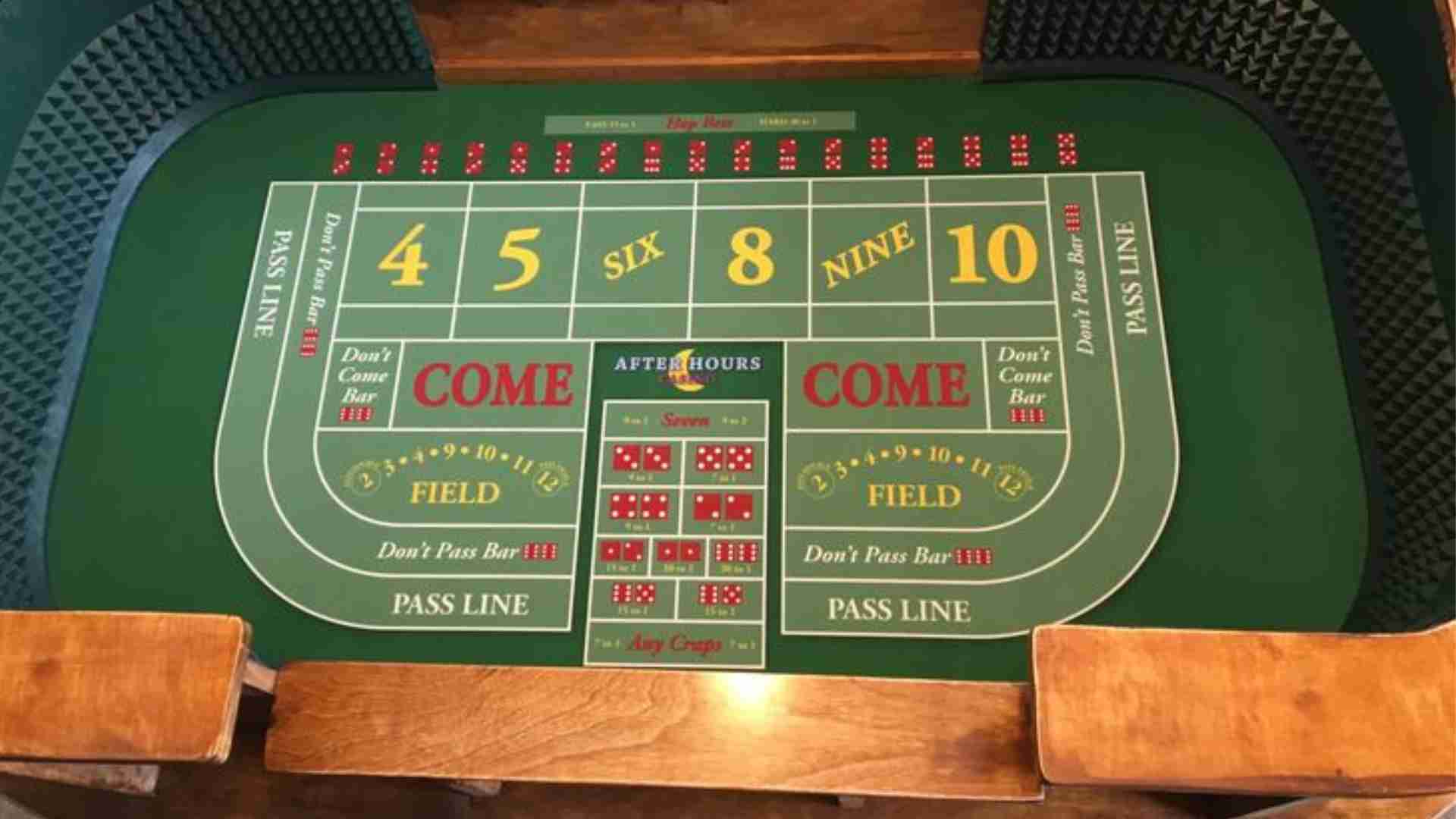
While standard dice variations usually offer straightforward options, craps features one of the most comprehensive layouts in modern gaming. Players are not limited to guessing the exact numerical total of the next throw. Instead, they can utilize a combination of long-term contract wagers and single-roll proposition options.
Navigating this complex mathematical landscape requires both patience and strategic understanding. For players looking to explore these intricacies safely, finding a reliable platform like M88bet offers an ideal space to analyze odds formats. Learning how different betting zones interact allows individuals to build customized approaches suited to their specific risk tolerance.
The Multi-Stage Shooting Sequence
A fundamental factor separating craps from basic dice options is its structured progression through distinct game phases. A standard round does not conclude after one solitary throw of the dice. Instead, it transitions fluidly between the initial come-out phase and the subsequent point phase.
This unique progression changes the mathematical value and winning conditions of specific wagers mid-game. A number that secures a victory during the opening roll might lead to a neutral stance or even a loss later in the sequence. This shifting dynamic keeps participants fully engaged throughout extended rolling cycles.
True Odds and True Value
In the vast majority of casino games, the house retains a statistical advantage on every single spot on the felt. Craps breaks this rule by offering the unique odds bet, which features a zero percent house edge. This means the casino pays out winning wagers using exact mathematical probabilities rather than skewed ratios.
Sticking to these structurally favorable choices allows tactical players to dramatically lower their overall session variance. By avoiding high-risk proposition options in the center layout, enthusiasts can enjoy prolonged play sessions. This rare balance of fair math and high entertainment value cements its legendary status among dice games.
How Probability Shapes Game Mechanics ...
Modern video games rely on a complex interplay of systems to keep players engaged and entertained over long periods. At the core of many successful designs is the mathematical concept of probability, which introduces randomness and unpredictability into virtual environments. Understanding how these structural variables function allows developers to create experiences that feel both fair and deeply compelling.
The Foundational Role of Randomness
Probability serves as the engine for unexpected events, ensuring that no two playthroughs are exactly identical. By calculating potential outcomes behind the scenes, a game can surprise players with rare loot drops, sudden critical hits, or varying enemy behaviors. This element of chance keeps the gameplay loop fresh and encourages players to adapt their strategies on the fly.
When these mathematical systems are balanced correctly, they mimic the exciting uncertainty found in classic tabletop challenges. For enthusiasts looking to explore how digital algorithms manage risk and reward in real time, visiting a trusted platform like M88bet can offer practical insights into modern digital interfaces. Observing these systems help players develop a sharper analytical approach to understanding risk metrics.
Balancing Skill and Uncertainty
A major challenge in game design is finding the perfect sweet spot between player agency and pure luck. If a system relies too heavily on chance, players may feel helpless and frustrated by their lack of control over the final outcome. Conversely, complete predictability can quickly lead to boredom since the optimal solution to every problem becomes obvious.
Successful mechanics solve this dilemma by introducing input randomness, which presents unexpected situations before a choice is made. This design choice forces individuals to use logic and statistical reasoning to overcome the hand they have been dealt. As a result, victory feels earned through strategic skill rather than simple good fortune.
Creating Dynamic Difficulty Curves
Many modern titles use hidden probability metrics to adjust their difficulty levels dynamically based on individual performance. If a player is struggling to defeat a particular boss, the system might quietly increase the chances of finding vital healing items nearby. This subtle adjustment prevents excessive frustration while maintaining a satisfying level of tension.
On the other hand, highly skilled players might face increased enemy spawn rates or lower drops of premium resources. By shifting the mathematical odds in the background, developers ensure that the experience remains engaging for all skill levels. This mathematical balancing act is essential for sustaining long-term user interest.
Fostering Emotional Engagement
The thrill of beating low mathematical odds triggers a powerful psychological response that keeps audiences invested in a virtual world. Narrowly surviving an encounter with a sliver of health due to a lucky dodge creates memorable moments that players share with others. These emotional peaks and valleys are direct results of well-crafted probabilistic frameworks.
Ultimately, the numbers driving game mechanics do much more than just calculate damage or distribute virtual treasures. They shape the narrative rhythm and dictate how players interact with challenges from start to finish. Mastering the science of chance remains one of the most powerful tools in modern game development.
Semua artikel sudah ditampilkan.